
Plastic spice containers are plastic products used for packaging and storing spices with the following features and applications:
Features
- Diversified materials: common polyethylene (PE), polypropylene (PP), polyethylene terephthalate (PET), etc. PE material is soft and impact-resistant; PP material is hard and heat-resistant; PET material is highly transparent and has strong barrier property.
- Good sealing: it can effectively prevent the spices from moisture, oxidation and volatilization, and keep the aroma and quality of the spices.
- Rich modeling: can be made into various shapes and sizes of containers, such as round, square, bottle, jar, etc., to meet the packaging needs of different spices and consumer aesthetic requirements.
- Lower cost: Compared with glass and metal containers, plastic spice containers have lower production costs and are more affordable.
Applications
- Family use: for storing various spices used in daily cooking, such as pepper, pepper powder, cinnamon powder, etc., easy to access and save.
- Food processing industry: used in food processing plants for packaging and storing large quantities of spices for easy transportation and use.
- Cosmetic industry: some aromatherapy essential oils and other cosmetic raw materials will also use plastic containers packaging, with a certain degree of corrosion resistance and sealing.
- Gift packaging: beautiful plastic spice containers can also be used as gift packaging for packaging high-grade spices to increase the added value of the product.
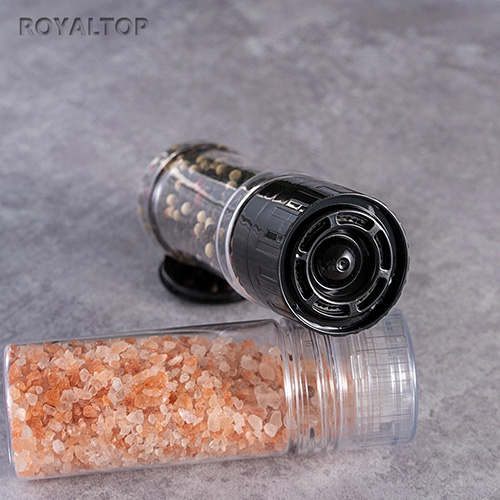
Most plastic spice jars are made from thermoplastics such as polyethylene (PE), polypropylene (PP), and polyethylene terephthalate (PET), which are recyclable. To recycle, spice jars should be cleaned to remove residual spices and impurities and then placed in the appropriate recyclable garbage can. The recycled plastic spice jars can be made into new plastic products, such as plastic pellets, plastic sheets, etc. through regeneration process to realize the recycling of resources.
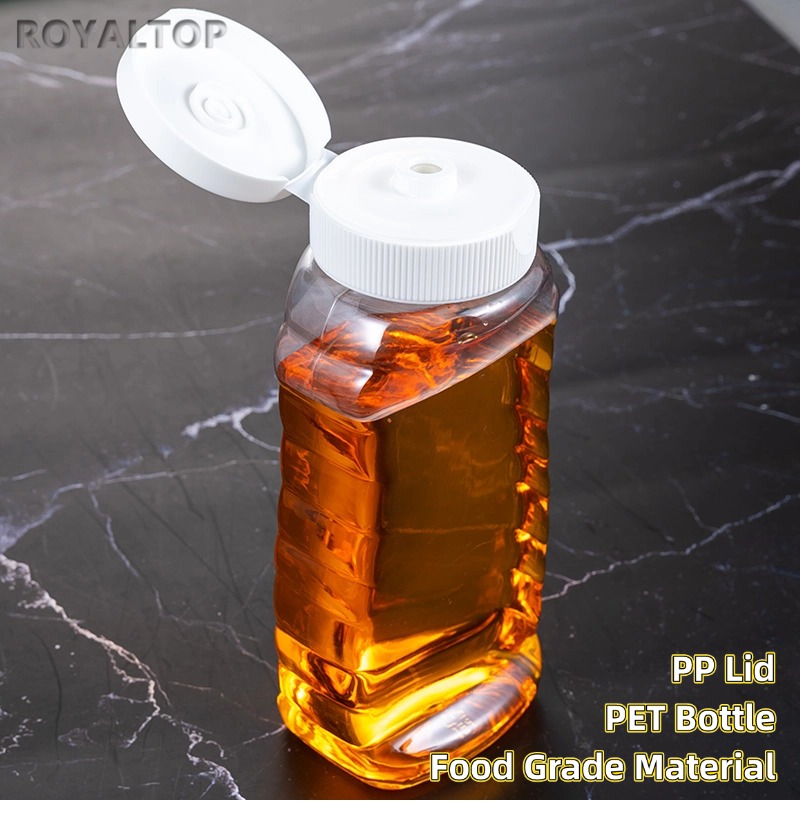
- Poor airtightness: There may be differences in the sealing performance of PET plastic jars, if the sealing is not tight, it will cause the spices in the jar to come into contact with the air, which is easy to be damp and oxidized, affecting the quality of the spices.
- Material aging: PET plastic may aging, become brittle, rupture and other phenomena when used for a long time or under high temperature, high humidity and other environments, reducing the service life and protective performance of the plastic jars.
- Limited chemical resistance: Although PET plastic has a certain degree of chemical resistance, but for some strong acidic, alkaline or organic solvents, etc., a chemical reaction may occur, resulting in deformation, discoloration of the plastic cans, or even the release of hazardous substances, contamination of the spices in the can.
- Reduced transparency: PET plastic jars in the process of use, may be due to friction, light and other reasons lead to a decline in transparency, affecting the consumer's observation and judgment of the spices in the jar.
- Insufficient dimensional accuracy: If the process is not properly controlled during the production process, it may lead to insufficient dimensional accuracy of PET plastic jars, which affects its fit with the cap and other accessories, as well as its placement on the shelf and transportation stability.
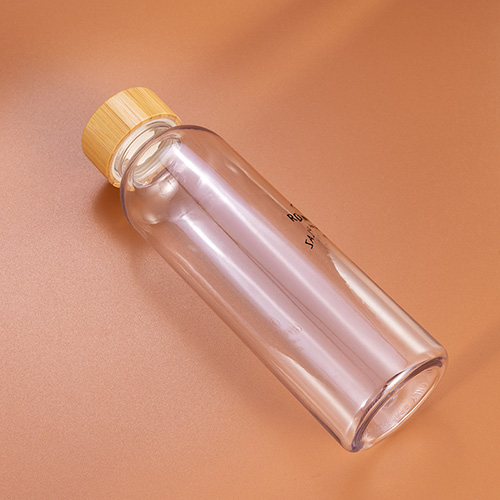
Royaltop manufactures hundreds of plastic bottles and jars for you, with capacities from 50ml~5000L, not only for spices, but also honey bottles, sauce jars, pickle buckets, nut jars, and many other kinds of plastics that are containerless. Although these products are used for different purposes, generally speaking, the manufacturing process may involve the following aspects:
Material selection
High-performance plastic materials that meet food contact safety standards, such as PET, PE, PP, etc., are selected. These materials need to have good chemical resistance, stability, transparency, strength and impact resistance to ensure that the flavoring bottles can store spices for a long time and are not easily damaged.
Mold Design and Manufacturing
- Design: According to the shape, size and functional requirements of the spice bottle, mold design, to consider the plastic runner structure, molding structure and cooling system, etc., in order to ensure the quality of the bottle molding.
- Manufacturing: Adopt high strength, high hardness, high abrasion and corrosion-resistant mold materials, such as alloy steel, etc., in order to ensure the service life and precision of the mold.
Molding process
- Injection molding: the plastic granules are heated and melted, then injected into the mold cavity through the injection molding machine, and the bottle is formed after cooling and solidifying. This method has high production efficiency and can produce flavor bottles with high dimensional accuracy and good surface quality.
- Blow molding: The plastic material is first made into a tubular parison, and then put into the mold, by blowing into the compressed air to make the parison expansion, close to the inner wall of the mold, and after cooling to get the hollow bottle.
Bottle top and cap processing
- Bottle neck processing: the top of the bottle body is opened to ensure high precision of the opening size, so as to ensure a tight fit with the cap to ensure the sealing.
- Cap Manufacturing: According to the size and shape of the bottle, a matching cap is made, usually with components such as a sealing ring to enhance the sealing performance.
Surface treatment and printing
- Surface treatment: The surface of the bottle is sanded, polished and other treatments to make the surface smooth and free of defects to improve the aesthetics and sense of touch.
- Printing: Design and printing of labels and logos according to customer needs and product characteristics, using food-grade inks to ensure printing quality and safety.
Quality Inspection
- Appearance Inspection: Check the appearance of the seasoning bottles for defects, deformation, color difference and other problems.
- Dimensional accuracy testing: Measure the dimensions of the bottle and cap to ensure that they meet the design requirements, and ensure the precision of the fit between the cap and the bottle.
- Sealability test: through pressure test and other methods, test the sealing performance of the flavor bottles to ensure that the spices will not leak.
- Material safety testing: testing the plastic material to ensure that it meets the food contact safety standards and does not contain harmful substances.
 100ml Custom Glass Oil Sprayer – Ultimate OEM Cooking Oil Dispenser for Wholesale Brands
 20+ Years Spice Grinder Factory | Urgent Order Shipped Ahead Schedule for European Partner
 Leading Spice Packaging Manufacturer Royaltop Successfully Ships Premium Containers to World-Class American Spice Brand Supplying Walmart
 Royaltop's Perfect Spice Packaging Solutions


