Royaltop is a glassware supplier from China, we manufacture a wide range of
plain glass jars and high quality high borosilicate
glass storage jars. These glass jars come with airtight glass lids, wooden lids, bamboo lids, plastic lids, stainless steel lids, etc., which can effectively keep food fresh. Because of the different manufacturing processes, the shapes of ordinary glass jars can be customised as per the requirement and borosilicate glass jars are more round and square.
From big to small, they are available in a wide range of capacities, such as mini size: 50ml,100ml,200ml.Medium size: 350ml,500ml,650ml,900ml,1000ml.There are also large sizes 1.5 litre, 2.0 litre, 3.5 litre, 5.0 litre and so on.
So these glass storage jars are suitable for holding different foods like salt, pepper, spice powder and other small particles. There are also large pieces of food like nuts, noodles, tea leaves, coffee beans, biscuits, and even hold liquid food like
honey and
fruit juices.
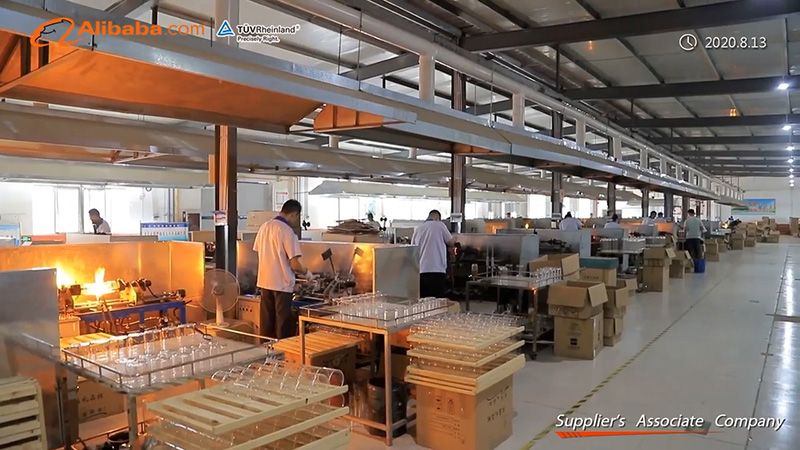
What is a borosilicate glass jar?
A borosilicate glass jar is a type of glass container made from borosilicate glass, a special glass that contains silica and boron trioxide as the main glass-forming constituents. This composition makes borosilicate glass highly resistant to thermal shock, meaning it can withstand extreme temperature changes without breaking or cracking. It is also more resistant to chemical corrosion compared to regular soda-lime glass.
Key characteristics of borosilicate glass jars include:
Heat Resistance: They can handle high temperatures, making them safe for use in ovens, microwaves, and freezers.
Durability: Borosilicate glass is less likely to shatter under stress or temperature changes.
Chemical Stability: They don't react with food, liquids, or chemicals, making them ideal for storing food, beverages, and chemicals.
Transparency: Like other glass, it’s clear, allowing you to see the contents easily.
Borosilicate glass jars are commonly used in kitchens for food storage and in laboratories for holding chemicals or samples due to their stability and safety.
Royaltop is a brand of glassware from China.
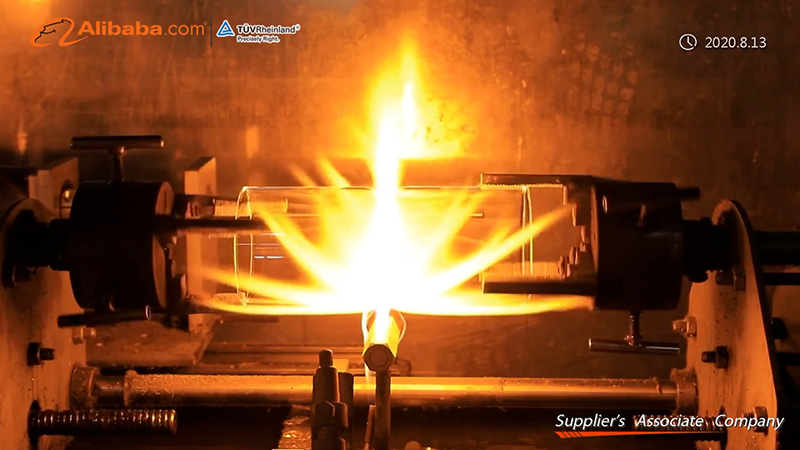
Is borosilicate glass used for food storage safe?
Yes, borosilicate glass is considered very safe for food storage. Its unique properties make it ideal for safely storing and handling food. Here are the reasons why it's safe:
Non-Toxic: Borosilicate glass does not contain harmful chemicals like BPA, lead, or phthalates, which can sometimes leach into food from plastic containers.
Non-Reactive: It does not react with acidic or alkaline foods, ensuring that the taste, flavor, and nutritional value of stored food remain unaffected. This also means no chemical residues are released into the food.
Heat and Cold Resistance: Borosilicate glass can handle temperature changes, so you can safely use it in the freezer, microwave, or oven without worrying about the glass cracking or breaking.
Easy to Clean: It's easy to sterilize, either by hand-washing or using a dishwasher, without any risk of the material degrading over time.
Long Lifespan: Borosilicate glass is durable, which means it can last for a long time without staining, absorbing odors, or degrading like plastic containers might.
Because of these properties, borosilicate glass is a preferred material for food storage, both for home use and in commercial kitchens.
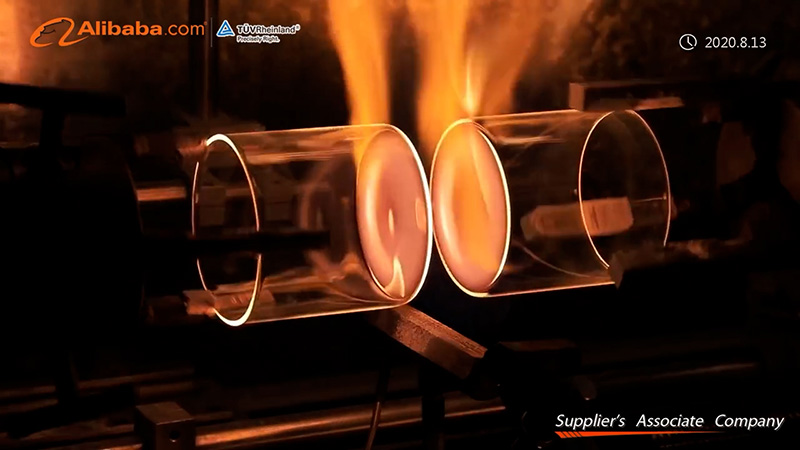
Why is borosilicate glass so expensive?
Borosilicate glass tends to be more expensive than regular glass (soda-lime glass) due to several factors related to its production and material properties:
Raw Materials: Borosilicate glass is made using **boron trioxide** in addition to silica. Boron is a less common and more expensive material compared to the ingredients used in regular glass production, like sodium and calcium.
Complex Manufacturing Process: The production of borosilicate glass involves more advanced techniques to ensure the right balance of heat resistance and durability. The higher melting point of borosilicate glass (about 1,650°C compared to around 1,500°C for soda-lime glass) requires more energy and specialized equipment during the manufacturing process.
Superior Properties: Borosilicate glass has exceptional resistance to heat, thermal shock, and chemical corrosion, making it highly durable and versatile. These enhanced qualities make it more desirable, especially in industries where durability and safety are critical, such as in laboratories, kitchens, and for medical or scientific uses.
Smaller Market: Compared to soda-lime glass, which is used widely for products like beverage bottles and windows, borosilicate glass has a more niche market. It is used in specific, high-performance applications such as laboratory glassware, cookware, and premium storage containers. This lower demand compared to standard glass drives up the cost.
Precision and Quality Control: Producing borosilicate glass requires stricter quality control and precision to maintain its unique thermal and chemical resistance properties. This adds to production costs as well.
These factors combine to make borosilicate glass more costly than regular glass, though its longevity, durability, and safety often make it a worthwhile investment in applications where quality matters.
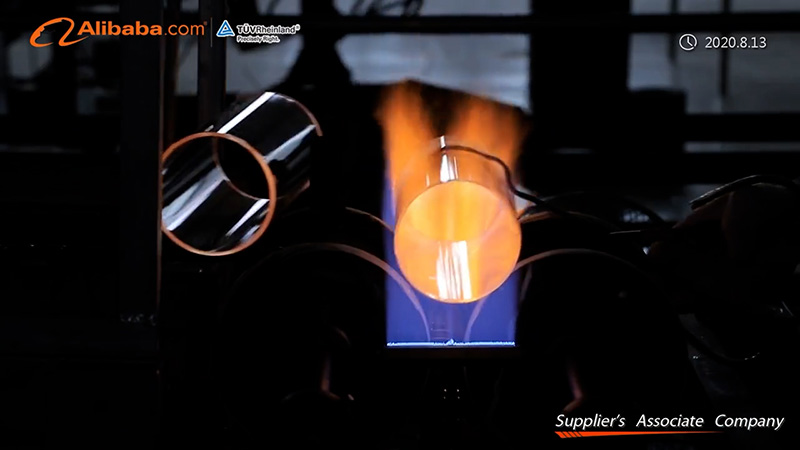
How to manufacture borosilicate glass jars?
The manufacturing process of borosilicate glass jars is more complex than that of regular sodalime glass due to the unique properties of borosilicate glass, such as its high heat resistance and chemical stability. Below is a stepbystep overview of how borosilicate glass jars are made:
1. Raw Materials Preparation
The main raw materials for borosilicate glass include silica (SiO₂) (around 7080%), boron trioxide (B₂O₃) (1215%), sodium oxide (Na₂O), and other oxides like aluminum oxide and calcium oxide in smaller amounts.
These ingredients are carefully measured and mixed together to ensure the correct chemical composition of the glass.
2. Melting
The raw material mix is heated in a furnace to extremely high temperatures, typically between 1,500°C to 1,700°C (2,732°F to 3,092°F).
Borosilicate glass has a higher melting point than sodalime glass, so the furnace needs to operate at higher temperatures to melt the mixture into a homogenous molten glass.
3. Forming
There are two common methods for forming borosilicate glass jars:
Blowing:
Molten glass is poured into a mold.
Compressed air is blown into the mold to expand the molten glass against the walls of the mold, forming the shape of the jar.
Pressing:
A plunger presses the molten glass into a mold, creating the jar shape.
This step ensures that the molten glass takes the desired form of the jar, including the lid fit and dimensions.
4. Annealing
After forming, the jars are placed in an annealing oven (called a lehr), where they are slowly cooled over a period of hours.
This controlled cooling process relieves internal stresses in the glass, ensuring that the final product is strong and resistant to cracking or breaking under temperature changes.
Without annealing, the glass would be brittle and more prone to shattering.
5. Surface Treatment (Optional)
A surface treatment may be applied to improve the durability of the glass and make it more resistant to scratches or mechanical damage.
Sometimes an additional coating or tempering process is used to enhance its resistance to thermal stress.
6. Cutting and Finishing
If necessary, the jars are cut to size, polished, and finished to smooth out any rough edges.
The rim of the jar may undergo additional finishing to ensure it fits properly with lids or seals.
7. Quality Control and Inspection
Borosilicate glass jars undergo rigorous quality control tests to check for cracks, imperfections, or inconsistencies.
Tests for thermal shock resistance, chemical stability, and mechanical strength are performed to ensure the jars meet safety and performance standards.
8. Packaging
Once inspected, the jars are packaged and prepared for distribution. Due to the fragile nature of glass, special care is taken in packaging to prevent breakage during transportation.
Key Manufacturing Considerations:
Precise Temperature Control: Borosilicate glass requires a precise temperature to melt and cool. Variations can lead to structural flaws.
EnergyIntensive Process: The high melting point and need for careful annealing make the process energyintensive, contributing to the higher cost of borosilicate glass products.
Customization: For specific industries, borosilicate glass jars can be customized to meet exact dimensions, shapes, and specifications, adding further complexity to the production process.
This process results in highly durable glass jars that are resistant to temperature changes, making them ideal for
food storage, laboratory use, and highperformance applications.


 100ml Custom Glass Oil Sprayer – Ultimate OEM Cooking Oil Dispenser for Wholesale Brands
 20+ Years Spice Grinder Factory | Urgent Order Shipped Ahead Schedule for European Partner
 Leading Spice Packaging Manufacturer Royaltop Successfully Ships Premium Containers to World-Class American Spice Brand Supplying Walmart
 Royaltop's Perfect Spice Packaging Solutions


