
Common coffee tableware, categorized by capacity, shape, and formality, is detailed below:
1. Coffee Cup
- The most universal standard term, specifically referring to the classic coffee cup characterized by “small capacity, paired with a saucer, and featuring a small handle.”
- Typically holds 100-150ml, often made of ceramic, and is commonly used in cafés and formal settings.
- Example: Porcelain coffee cup and saucer set.
2. Mug
- The most commonly used coffee cup type for daily use, featuring a handle, no saucer, and thicker walls.
- Larger capacity than a standard coffee cup (250-400ml), ideal for drinking Americanos, lattes, etc. at home or in the office, with better heat retention.
- Example: Personalized coffee mugs, office coffee cups.
3. Demitasse (Espresso Cup)
- Refers specifically to “extremely small cups designed for espresso,” derived from the French term meaning “half a cup.”
- Holds only 60-80ml, featuring a petite, elegant design paired with a saucer, exclusively for serving espresso.
- Example: A small cup for a single espresso shot.
4. Tazza (Stemmed Coffee Cup)
- An elegant, stemmed coffee cup without a handle, featuring ornate designs that emphasize ritualistic presentation.
- Primarily used for formal occasions, afternoon tea, or with desserts, suitable for both black coffee and specialty coffee drinks.
- Example: A crystal stemmed specialty coffee cup.
Additional Scenarios
- Travel Mug: An insulated cup with a sealed lid, ideal for commuting or carrying outdoors, featuring leak-proof and heat-retaining properties.
- Ceramic Coffee Mug: Specifies the material, emphasizing texture and suitability for frequent daily use.
Based on coffee type + corresponding cup + core reason, clear and practical, convenient for daily use or purchasing reference:
| Coffee Types |
Recommended Cups |
Core Reasons |
| Espresso |
Demitasse / Espresso Cup |
Capacity: 60-80ml Compact cup design locks in aroma Suitable for single or double shots
|
| Americano |
Coffee Cup / Mug |
Capacity: 200-350ml. For American-style coffee, add water to dilute. Medium/large-capacity cups are more suitable.
|
| Cappuccino |
Cappuccino Cup |
Capacity: 150-200ml Short, wide-mouth cup design facilitates layering milk foam while providing optimal heat dissipation.
|
| Latte |
Latte Cup / Tall Mug |
Capacity: 300-400ml Tall, narrow cup design Ideal for a ratio of more milk to less espresso
|
| Mocha |
Latte Cup / Mug |
Capacity: 250-350ml, designed to hold chocolate sauce, milk, and milk foam, with ample space.
|
| Flat White |
Small Coffee Cup |
Capacity 180-220ml, Shallow Body, Highlighting The Delicate Taste Of Milk And Coffee Blend |
| Pour Over |
Coffee Cup / Tumbler |
Capacity 200-300ml, ordinary coffee cup suitable for drinking pure black coffee, tumbler suitable for portable insulation |
| Cold Brew |
Tumbler / Insulated Bottle |
Capacity 350-500ml, Cold Brew Needs Refrigeration Or Room Temperature Storage, Sealed Cup Preserves Freshness And Prevents Leakage |
| Irish Coffee |
Irish Coffee Mug |
Capacity 250-300ml, Thick-Walled With Handle, Suitable For Drinking Scenarios With Wine Heating |
What Are The Impacts Of The Material Of Coffee Tumbler? This Question Is Very Deep. The Material Of Coffee Cups Does Affect The Taste Through Its Thermal Conductivity, Permeability, And Odor Absorption. The Core Differences Are Mainly Concentrated In These Three Points. The Specific Analysis Is As Follows:
1. Ceramic (The Most Classic Mainstream Material)
- With Medium Thermal Conductivity, It Can Slowly Transfer The Temperature Of Coffee, Avoiding The Mouth Feeling Too Hot, While Retaining The Suitable Drinking Temperature.
- The Surface Is Smooth And Pore-Free, Does Not Absorb Coffee Aroma And Grease, And Can Restore The Original Flavor Of Coffee (Balanced Acidity, Bitterness, And Mellowness).
- Suitable for all types of coffee, especially for categories that emphasize purity of flavor, such as espresso and cappuccino.
2. Glass (Transparent and Intuitive Material)
- High thermal conductivity, coffee cools down quickly, so it needs to be consumed as soon as possible to avoid flavor loss.
- It Has No Odor Or Adhesiveness At All, Can Restore 100% Of The Original Taste Of Coffee, And The Acidity Will Be More Prominent.
- Suitable for cold brew, iced Americano, latte, and other coffees with high appearance value or requiring observation of layers, and also suitable for scenarios where "undisturbed flavor" is pursued.
3. Stainless Steel (Portable Insulation Material)
- Poor thermal conductivity, excellent heat/cold retention, able to maintain coffee temperature for a long time (suitable for commuting and outdoor use).
- The Material Itself Has No Odor, But In A Sealed Environment, It Will Make The Aroma Of Coffee More Concentrated, And The Bitterness And Mellowness Will Be Slightly Enhanced.
- Suitable for Americano, cold brew, and other durable coffee drinks. Not recommended for espresso (the aroma tends to be trapped in the cup and become turbid).
4. Enamel (Vintage Durable Material)
- Its Thermal Conductivity Is Between Ceramics And Glass, Which Makes The Temperature Transfer Gentle And The Touch Comfortable.
- The Surface Is Coated With An Enamel Layer, Which Is Non-Absorbent, Can Restore Coffee Flavor, And Is More Durable Than Ceramics.
- Suitable for daily drinking of Americano and Latte, with a vintage design suitable for home use, camping, and other scenarios, and flavor performance close to that of ceramic.
5. Paper Cup (Disposable Convenient Material)
- Weak Thermal Conductivity, Good Heat Insulation Effect, But The Inner Wall Coating May Slightly Absorb Coffee Aroma, And It Is Prone To Have A Slight Paper Odor.
- It Will Mellow The Acidity And Body Of The Coffee, Making The Taste Milder And The Bitterness Less Obvious.
- Suitable For Temporary Emergency Drinking Only, Not Recommended For Tasting High-Quality Coffee (Such As Boutique Pour-Over Or Espresso).
6. Wood/Bamboo (Niche Natural Materials)
- Poor thermal conductivity, good heat retention, but the material has pores, which easily adsorb coffee oils and odors (frequent cleaning is required).
- It Will Add A Slight Natural Woody Aroma To The Coffee, Neutralize Some Of The Acidity, And Make The Taste More Mellow.
- Suitable For Black Coffee Such As Hand Brewed Coffee And Americano, Not Suitable For Delicate Flavor Boutique Coffee (Easy To Interfere With The Original Flavor).

Different Types Of Coffee Have Different Tastes Such As Acidity, Bitterness, Mellowness, And Temperature. So How Should We Choose A Coffee Cup?
Core Principle: Adapt the shape, material, and capacity of the cup to match the "acidity, bitterness, body, and temperature requirements" of the coffee. The specific correspondence method is as follows:
1. Focus on the core: Choose the direction based on taste keywords
- If The Coffee Is Slightly Acidic (Such As Light Roast Drip Coffee Or Ethiopian Beans), It Is Preferred To Choose "Glass/Ceramic Material + Wide-Mouth Cup" To Reduce The Suppression Of Acidity And Restore The Freshness.
- If the coffee is bitter (such as dark roast Americano or espresso): Choose "thick-walled ceramic/enamel + narrow-mouth cup" to concentrate the aroma, balance the bitterness, and enhance the mellow taste.
- If the coffee is rich and smooth (such as latte or cappuccino): Choose "Medium-sized ceramic cup with slightly wider mouth", which is suitable for the fusion of milk foam and coffee, resulting in a denser taste.
- If you drink iced coffee (cold brew, iced latte): Choose "Glass/Stainless Steel Thermos + Large Capacity". Glass preserves the freshness, while stainless steel keeps the cold and prevents the flavor from dissipating.
2. Precise Matching Based on Coffee Type (Accompanied by Taste Adaptation Logic)
(1) Coffee Dominated by Acid Flavor (Light Roast Drip Coffee, Espresso, Ethiopian Coffee)
- Recommended Cups: Glass Coffee Cup (Wide Mouth), Thin-Walled Ceramic Cup (Small Capacity 100-150ml)
- Adaptation Logic: The material is non-absorbent, with a wide mouth that facilitates the release of sour flavor without trapping it, and a small capacity that concentrates the flavor, avoiding the dilution of sour taste.
(2) Coffee Dominated by Bitterness (Dark Roast Americano, Mandheling Coffee)
- Recommended Cups: Thick-Walled Ceramic Mugs (Medium Capacity 200-250ml), Enamel Cups
- Adaptation Logic: Thick walls slow down heat conduction, retaining aroma and balancing bitterness, while the material restores the mellow taste and prevents the bitterness from being amplified.
(3) Milk Coffee (Latte, Cappuccino, Mocha)
- Recommended Cups: Ceramic Cappuccino Cup (Short Wide Mouth), Latte Cup (Tall Narrow Mouth)
- Adaptation Logic: The short and wide mouth is designed for stacking milk foam, while the tall and narrow mouth allows for the full integration of milk and coffee. The ceramic material does not interfere with the aroma of milk.
(4) Iced Drinks (Cold Brew, Iced Americano, Iced Mocha)
- Recommended Cups: Glass Goblet, Stainless Steel Insulated Tumbler (Large Capacity 350-500ml)
- Adaptation Logic: Glass highlights a refreshing taste, stainless steel locks in cold without heating up, and large capacity accommodates ice cubes + beverages, avoiding frequent refills.
(5) Boutique Tasting Category (Geisha Coffee Beans, Single Estate Hand Brew)
- Recommended Cups: Thin-Walled Ceramic Cup (Small Capacity 120-180ml), Uncoated Glass Cup
- Adaptation Logic: Material Free Interference, Small Capacity Concentrated Flavor, Capable of Precisely Perceiving the Layers of Coffee (Acidity, Sweetness, Aftertaste).
3. Avoidance Reminder: These Combinations Can Ruin The Taste
It Is Not Recommended To Use Stainless Steel Cups For Espresso: The Sealed Environment Will Muffle The Aroma And Intensify The Bitterness.
It Is Not Recommended To Use Paper Cups For Specialty Coffee Brewing: The Paper Smell And Coating Adsorption Will Weaken The Flavor Complexity.
It Is Not Recommended To Use Wide-Mouth Cups For Deep Roast Americano: The Aroma Disperses Easily, And The Bitterness Will Be More Prominent.
It Is Not Recommended To Use Small-Capacity Cups For Latte: The Milk Foam And Coffee Are Prone To Overflow, And The Taste Is Crowded.
Coffee Cups Have Different Heat Retention Capabilities, So How Should We Choose A Coffee Tumbler?
This Question Is Crucial, As Temperature Is One Of The Core Factors Affecting The Taste Of Coffee! The Heat Retention Time Of Different Material Coffee Cups Mainly Depends On **Thermal Conductivity And Insulation Structure**. The Following Is A Specific Test Reference (Room Temperature 25°C, Initial Coffee Temperature 95°C, Without Lid):
Core Conclusion
Insulation Effect Ranking: **Stainless Steel (Vacuum Insulation) > Enamel > Ceramic (Thick Wall) > Ceramic (Thin Wall) > Glass > Paper Cup > Wood/Bamboo**
The Order Of Cold Retention Effect Is Consistent With Heat Retention, With Only A Slight Extension In Duration (Initial Temperature Of Iced Drink Is 5°C, Room Temperature Is 25°C).
Temperature Maintenance Details for Various Materials
1. Stainless Steel (Vacuum Insulated Type)
- Heat Preservation Duration: 4-6 Hours (After 6 Hours, It Still Maintains Around 55-60°C)
- Cooling Retention Time: 8-12 Hours (After 12 Hours, It Will Still Be About 10-15°C)
- Key Reason: The vacuum interlayer structure almost blocks heat conduction, with extremely poor thermal conductivity, and can firmly lock the temperature.
- Note: The insulation duration of a non-vacuum stainless steel cup is only 1-2 hours, which is far inferior to that of a vacuum cup.
2. Enamel
- Heat Preservation Duration: 1.5-2.5 Hours (After 2.5 Hours, Approximately 45-50°C)
- Cooling Retention Time: 3-4 Hours (After 4 Hours, Approximately 15-20°C)
- Key Reason: The Combination Of Metal Base + Enamel Layer Has Medium Thermal Conductivity, And The Thick-Walled Design Can Slow Down Heat Loss.
- Note: It is more resistant to falls than ceramic and has a slightly better insulation effect than ordinary ceramic cups.
3. Ceramics (Thick Wall Type, Cup Wall ≥5mm)
- Heat Preservation Duration: 1-1.5 Hours (After 1.5 Hours, Approximately 40-45°C)
- Cooling Duration: 2-3 Hours (After 3 Hours, Approximately 18-22°C)
- Key Reason: Ceramics themselves have poor thermal conductivity, and thick walls can increase heat storage, slowing down the rate of temperature drop.
- Note: Daily mugs are mostly of the thick-walled type, making them a balanced choice for both home and office use.
4. Ceramics (Thin-Walled Type, Cup Wall ≤3mm)
- Heat Preservation Duration: 40-60 Minutes (Approximately 35-40°C After 1 Hour)
- Cooling Time: 1.5-2 Hours (After 2 Hours, Approximately 22-25°C)
- Key Reason: Thin walls reduce heat storage space, have higher thermal conductivity efficiency than thick walls, and cool down faster.
- Note: It is commonly used in gourmet coffee tasting, facilitating rapid cooling to a suitable drinking temperature (60-65°C).
5. Glass
- Holding Time: 30-45 Minutes (After 45 Minutes, Approximately 30-35°C)
- Cooling Time: 1-1.5 Hours (After 1.5 Hours, Approximately 23-25°C)
- Key Reason: Glass has extremely strong thermal conductivity, allowing heat to quickly transfer into the air, resulting in the fastest cooling rate.
- Note: Suitable for situations where quick consumption is preferred and temperature drop is not a concern. For icy drinks, an ice bucket can be used to extend the cooling effect.
6. Paper Cup (With Insulation Layer)
- Holding Time: 45-70 Minutes (Approximately 38-42°C After 1 Hour)
- Cooling Duration: 1.5-2 Hours (After 2 Hours, Approximately 20-23°C)
- Key Reason: The paper itself has poor thermal conductivity, and adding a heat-insulating layer can further slow down heat conduction. However, the cup body is thin, so the overall insulation is limited.
- Note: Paper cups without insulation can only keep warm for 20-30 minutes, and they are easy to burn the hands and cool down very quickly.
7. Wooden/Bamboo
- Holding Time: 50-80 Minutes (Approximately 40-43°C After 1 Hour)
- Cold Retention Time: 2-2.5 Hours (After 2.5 Hours, Approximately 18-21°C)
- Key Reason: Natural materials have poor thermal conductivity, but they have pores that allow heat to dissipate through tiny gaps, making their insulation effect slightly better than glass.
- Note: It is prone to adsorb moisture and odors. Incomplete Cleaning May Affect Subsequent Use.
Practical Reminder
- Adding a Seal Can Extend the Heat Retention Time: Regardless of the Material, Adding a Seal Can Increase the Heat Retention Time by 30%-50% (Especially for Ceramic and Glass Cups).
- Scenario Precedes Material: For Commuting, Choose Vacuum Stainless Steel Cups; For Home Tasting, Opt For Thin-Walled Ceramic/Glass Cups; For Emergency Situations, Select Paper Cups With A Heat-Resistant Layer.

What other details can affect people's choice of coffee cups?
In addition to material and capacity, * * usage scenarios, coffee types, design details, and personal habits * * are the core factors that affect the choice of coffee cups, as follows:
1. Usage scenario (most critical decision factor)
-Home/Office: Priority should be given to ceramic mugs with handles (anti slip and heat-resistant, suitable for desktop use). If you often drink hot coffee, you can also choose thick walled ones (with moderate insulation).
-Commuting/going out: Focus on "sealing and leak prevention", choose a stainless steel Tumbler or ceramic portable cup with silicone sealing ring (to avoid leakage, suitable for car and backpack scenarios).
-Caf é Tasting: Choose thin-walled ceramic cups/glasses without handles (small capacity, easy to perceive flavor levels, in line with professional tasting habits).
-Camping/Outdoor: Priority is given to drop resistant materials (enamel, stainless steel), and styles with hanging ropes or non slip bases can be selected (suitable for outdoor environments, not easy to tip over).
2. Adaptation requirements for coffee types
-Italian concentration/premium hand wash: choose a narrow mouthed cup (to gather aroma and avoid flavor loss), a short cup body (to shorten the aroma transmission path and highlight the mellow feeling).
-Latte/Cappuccino (milk coffee category): Choose a wide mouthed cup (convenient for stacking milk foam, suitable for latte art viewing), slightly higher cup body (accommodating layered milk and coffee).
-Cold extraction/Ice American style: Choose a large capacity cup (suitable for ice cubes+drinks), transparent glass/stainless steel cup (glass highlights freshness, stainless steel locks cold).
-Irish coffee (alcoholic): Choose a special cup with thick walls and handles (resistant to alcohol corrosion, insulated and heat-resistant, suitable for heating scenarios).
3. Design details (affecting user experience)
-Cup mouth shape: Wide mouthed cup is easy to dissipate heat and aroma spreads quickly, suitable for milk coffee and ice drinks; Narrow mouthed cups gather fragrance, slow cooling, suitable for black coffee and hot drinks.
-Handle design: The thickness of the handle should be suitable for the palm (comfortable grip without hurting hands), and it should not be too close to the cup body (to avoid burning hands when taking it); The handleless version is suitable for handheld cooling (such as thin-walled tasting cups).
-Bottom stability of the cup: A style with a wide bottom and anti slip pad (not easy to tip over, especially suitable for uneven tabletops).
-Cleaning convenience: Priority should be given to styles with smooth cup body, no complex patterns/dead corners (to avoid residual coffee stains, especially for ceramic cups, pay attention to whether the inner wall is easy to clean).
4. Personal usage habits
-Anti scalding requirements: Choose styles with thick walls, handles, or insulated cup bodies (to avoid direct hand scalding, especially suitable for people who often drink high-temperature coffee).
-Appearance preference: Emphasize the sense of ceremony and choose tall footed cups (tazza) or ceramic cups with patterns; If you like a minimalist style, you can choose solid color thin-walled cups or transparent glass cups.
-Storage requirements: stackable cup body style (saving cabinet space), or cup mouth diameter compatible cup holder design (convenient for daily placement).
-Special requirements: For those with hand disabilities, choose materials that are resistant to impact (enamel, stainless steel); Environmentalists avoid disposable paper cups and opt for reusable ceramic/glass options.
5. Additional functional requirements
-Insulation/Cooling: Commuters choose vacuum insulated cups (mainly made of stainless steel), while home enthusiasts can choose thick walled ceramic cups for short-term insulation.
-Leak proof sealing: When carrying a backpack, it is necessary to choose a style with "double sealing" (cup lid+silicone ring), and the sealing function can be ignored for ordinary desktop use.
-Adaptation equipment: If a coffee machine/capsule machine is commonly used, it is necessary to choose a cup with a cup mouth diameter that matches the machine's water outlet (to avoid coffee splashing out).
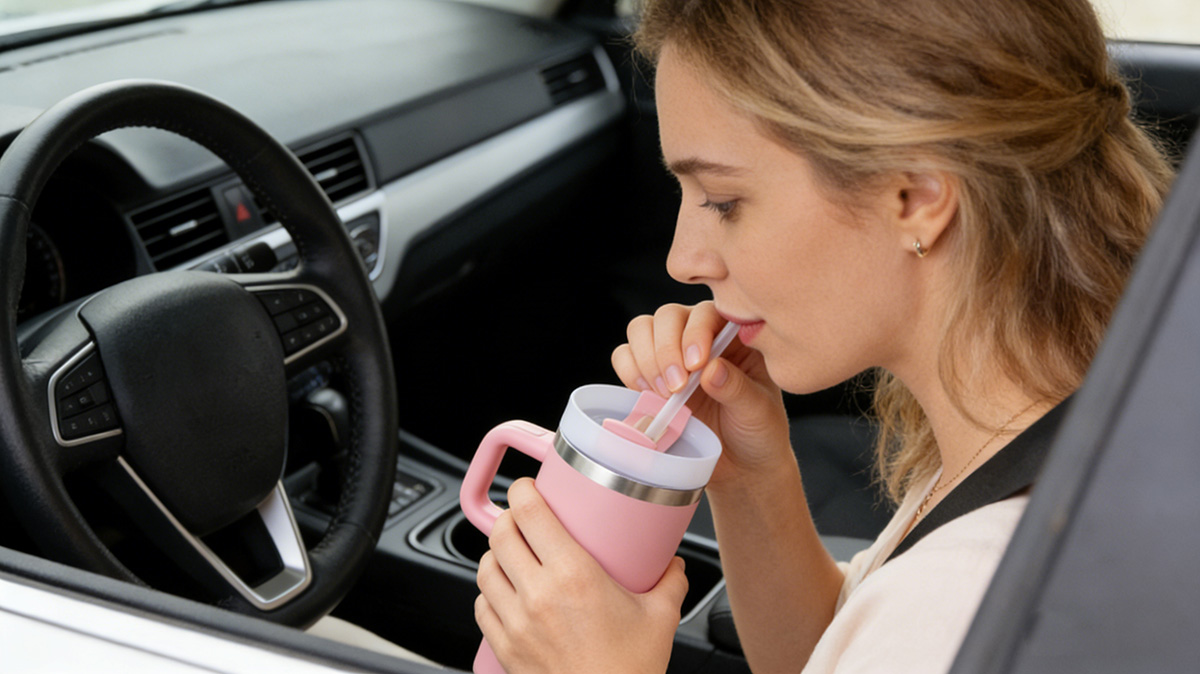
You can also choose the best coffee travel mug according to your own usage habits and preferences
Core principle: Accurately match the design and function of coffee cups around the most frequently used daily scenarios, details of coffee drinking habits, and personal preferences. The specific methods are as follows:
1. First, clarify the core habits: what to drink and how to drink it
-Accustomed to drinking hot coffee (multiple cups of hot Americano/latte per day): Prioritize ceramic cups with handles and thick walls (heat-resistant and moderately insulated). If you are afraid of rapid cooling, you can also choose cups with lids.
-Accustomed to drinking iced coffee (cold brew/iced latte regulars): Choose large capacity (350-500ml), wide mouthed glass cups/stainless steel insulated cups (glass highlights freshness, stainless steel locks in cold), and the cup body is best suited for ice cubes.
-Habit of drinking premium hand brewed/concentrated (emphasizing flavor appreciation): Choose ceramic/glass cups/glasses with small capacity (100-180ml), thin wall, and narrow mouth (no interference with flavor, gathering aroma, convenient perception of layers).
-Habit of adding milk/sugar (milk coffee party): Choose a style with a slightly wider mouth and a smooth body (easy to stir, less likely to leave milk stains, and easy to clean).
2. Refine according to usage scenario habits
-Habits of casually placing on the desktop (home/office): Choose a style with a wide cup bottom and anti slip pad (not easy to tip over), and the handle thickness is suitable for the palm (comfortable grip, not uncomfortable for sitting and working).
-Habits of taking out (commuting/travel): Focus on "sealing and leak prevention", choose portable cups with silicone sealing rings (to avoid spills when carrying backpacks/cars), and prioritize lightweight models (stainless steel is lighter than ceramics, reducing weight).
-Habit of drinking while moving (walking/driving): Choose a sealed cup with a straw hole (can be operated with one hand to avoid spilling when looking up), and the cup body is designed to be non slip (sweat does not slip).
-Habits for outdoor use (camping/picnicking): Choose durable materials (enamel, stainless steel), and choose styles with hanging ropes or stackable (convenient for carrying and storage, suitable for outdoor environments).
3. Combining personal preferences for usage details
-People who are afraid of scalding: choose a cup with thick walls and a long handle (keep the handle away from the cup body and avoid touching the hot cup wall), or a style with a heat-insulating layer on the cup body (hold it directly without scalding).
-Hand damaged (easy to fall cup): Avoid glass and thin-walled ceramics, prioritize enamel and stainless steel materials (resistant to falling and manufacturing), and the cup body can have anti slip patterns (more stable grip).
-Lazy people (afraid of cleaning): Choose cups with smooth inner walls, no complex patterns/dead corners (easy to wash coffee stains), and avoid styles with reliefs or hollow designs (easy to accumulate dirt and grime).
-Storage Control: Choose stackable cups (to save cabinet space), or cup mouth diameters that fit the style of the home cup holder (without taking up extra desktop space).
-Beauty Party (emphasizing ceremony): Choose design styles according to the type of coffee - choose wide mouthed latte art cups for milk coffee (to admire milk foam), simple solid color cups for black coffee (to highlight texture), and tall footed cups (tazza) for afternoon tea (to enhance atmosphere).
4. Adaptation to special needs and habits
-Environmentalists: Reject disposable paper cups and choose reusable ceramic, glass, or stainless steel cups (durable and low-carbon).
-Allergic/sensitive constitution: Avoid glazed ceramic cups (which may contain lead) and choose lead-free underglaze, food grade 304/316 stainless steel or high borosilicate glass cups (made of safe and odorless materials).
-Car use: Choose a cup body diameter that is compatible with the car cup holder (usually 7-8cm), with a strong sealing cover (to avoid sudden brake leakage).
The coffee cup material suitable for making iced coffee should meet the requirements of cold locking, no cross flavor, and compatibility with ice cubes and drinks. Glass, stainless steel (vacuum insulated), and enamel are preferred. The specific analysis is as follows:
1. Glass (preferred material)
-Core advantages: No odor, no adsorption, able to fully restore the refreshing taste of iced coffee (highlighting acidity and purity).
-Adaptability: The transparent material allows for viewing of layered iced coffee (such as iced latte, iced mocha), and the cup body is usually wide, making it easy to place ice cubes and stir.
-Attention: Strong thermal conductivity, easy to condense and slip when held directly, it is recommended to choose styles with cup sleeves or handles; Avoid sudden cold and heat (such as adding ice cubes right after boiling water).
-Recommended scenarios: Iced American style, cold brew, iced drip coffee, especially suitable for tasting premium iced coffee.
2. Stainless steel (vacuum insulated)
-Core advantages: Strong insulation and cooling effect, able to maintain low temperature of iced coffee for a long time (8-12 hours), sealed design to prevent leakage, suitable for outdoor scenes.
-Adaptability: The material has no odor, and the large capacity version (350-500ml) can hold enough ice cubes and drinks without worrying about melting too quickly and diluting the flavor.
-Attention: Non vacuum models have poor cold locking effect and are not recommended; In a sealed environment, the aroma of iced coffee will be more concentrated, and the bitterness will be slightly amplified (with little effect on iced Americano and cold extraction).
-Recommended scenarios: commuting, drinking iced coffee outdoors, or cold brewed coffee that needs to be stored for a long time.
3. Enamel (retro practical)
-Core advantages: Medium thermal conductivity, better cold locking effect than glass, anti drop and anti manufacturing, no adsorption of enamel layer on the surface, and no interference with the flavor of iced coffee.
-Adaptability: The thick body of the cup can slow down the melting speed of ice cubes, and the handle design prevents condensation and scalding, making it suitable for home, camping and other scenarios.
-Attention: The weight is slightly heavier than glass and plastic, and it is not suitable for long-term carrying; Avoid scratching the enamel layer with hard objects (which can easily peel off).
-Recommended scenarios: Ice American style, Ice Latte, people who like retro style or outdoor use.
4. Food grade plastic (portable and economical)
-Core advantages: Lightweight and anti drop, not prone to condensation, affordable price, suitable for daily casual drinking or outdoor scenes (such as picnics and sports).
-Adaptability: The material should be selected from food grade materials such as PP and Tritan, with no odor. The cup body is designed with multiple sealing covers and straw holes for easy drinking.
-Attention: Avoid high temperature environments (such as direct sunlight). Some plastic materials may have slight odor absorption after long-term use and need to be replaced regularly; Not recommended for premium iced coffee (affecting flavor purity).
-Recommended scenarios: Daily iced drinks, drinking iced coffee during exercise, and people who pursue cost-effectiveness and portability.
5. Ceramics (thick walled version)
-Core advantages: The material is stable and odorless, the thick wall design can slow down the melting of ice cubes, the hand feel is warm, and the anti condensation effect is better than glass.
-Adaptability: The cup comes with multiple handles, making it suitable for home use. The wide mouthed design makes it easy to add ingredients such as cream and fruit.
-Attention: The insulation performance is average, and the cold locking time is not as long as stainless steel. It is easy to spill when carrying it outside (choose a sealed version with a cover).
-Recommended scenario: People who drink iced latte or iced mocha at home, enjoy ceramic texture and don't mind frequent refilling.
Not recommended material
-Paper cup: The inner wall coating may adsorb fragrance, and the paper smell will weaken the refreshing feeling of iced coffee. It is only suitable for emergency use.
-Wood/bamboo: easy to absorb moisture and coffee stains, incomplete cleaning can breed bacteria, and it is easy to deform and mold after condensation.
 100ml Custom Glass Oil Sprayer – Ultimate OEM Cooking Oil Dispenser for Wholesale Brands
 20+ Years Spice Grinder Factory | Urgent Order Shipped Ahead Schedule for European Partner
 Leading Spice Packaging Manufacturer Royaltop Successfully Ships Premium Containers to World-Class American Spice Brand Supplying Walmart
 Royaltop's Perfect Spice Packaging Solutions


